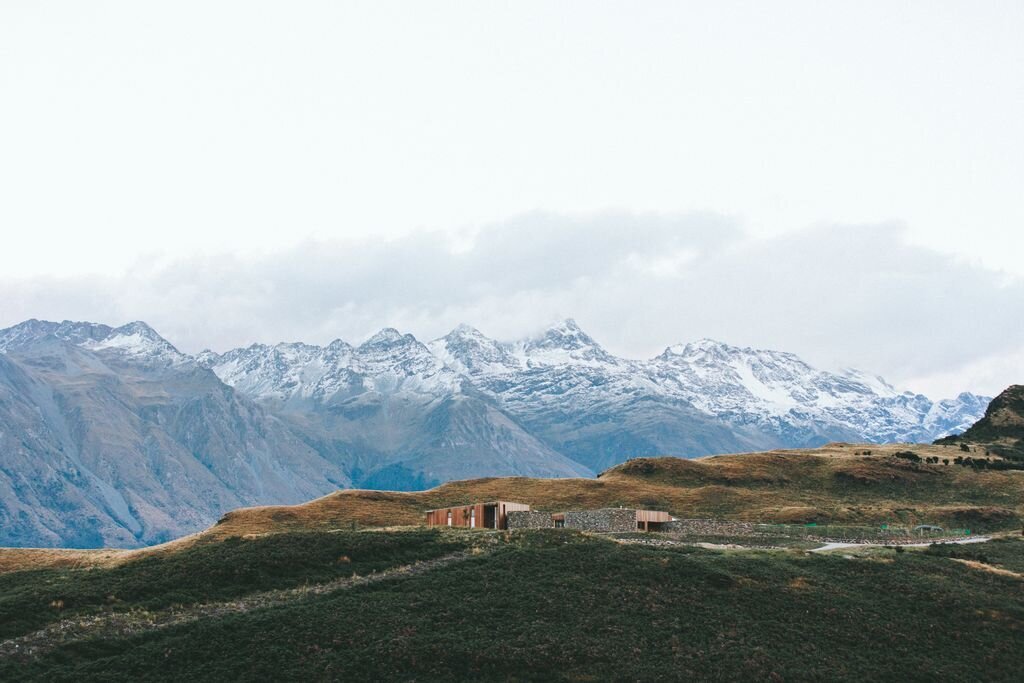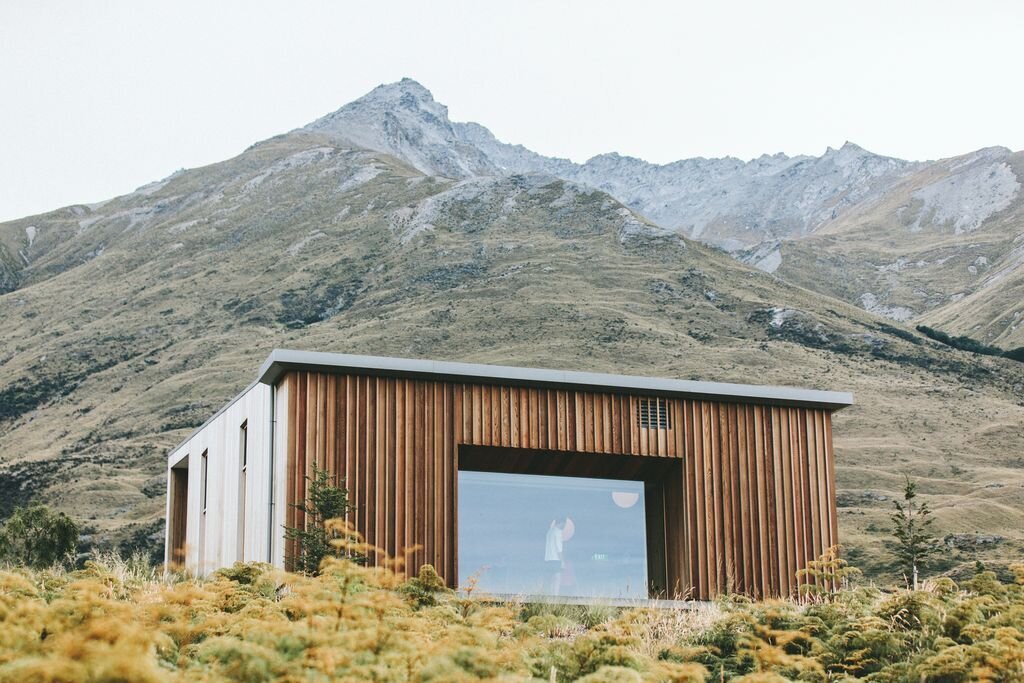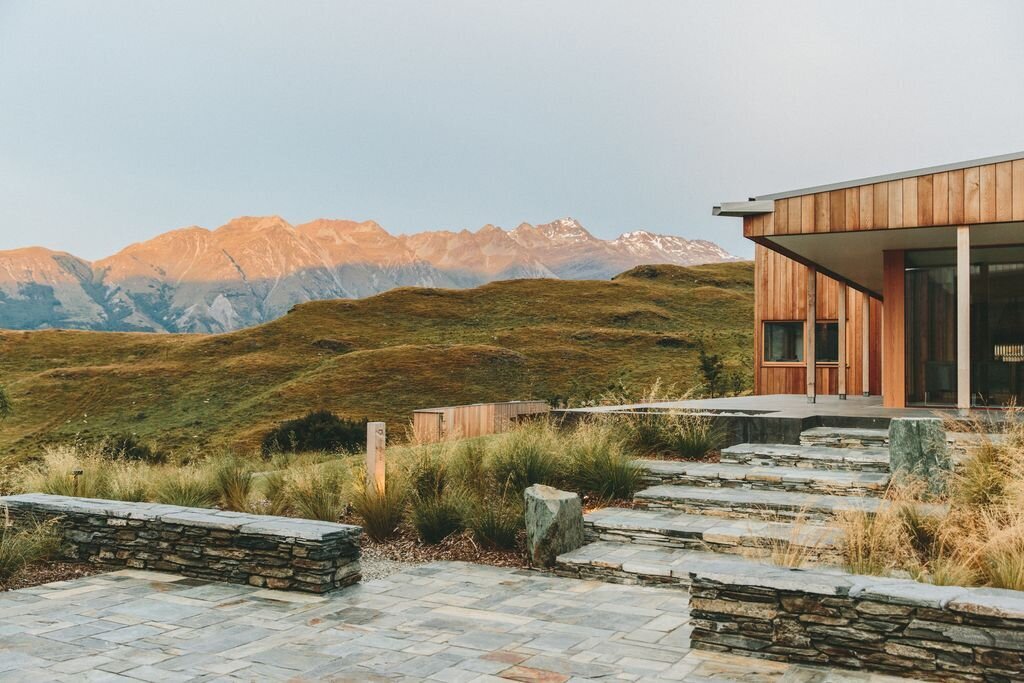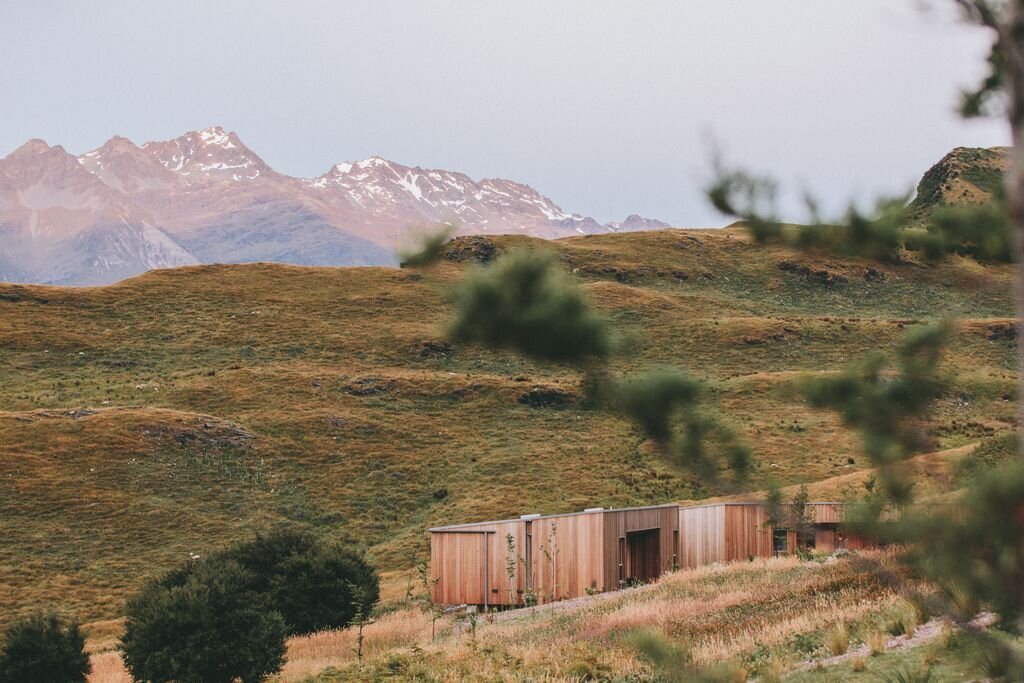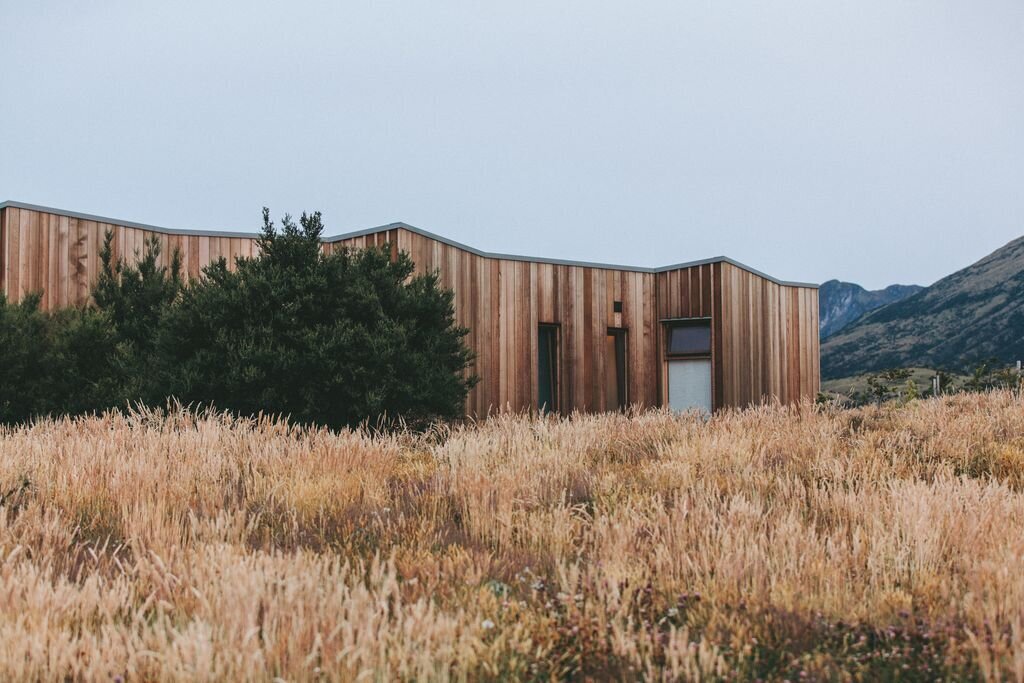
Where the day softens
The Quiet Corner
There is often one place in a home that asks very little of us.
A corner that does not need to impress, host, or perform. It exists at the edge of daily movement — near a window, beside a wall that has learned how to hold still.
The quiet corner is not designed for productivity. It is shaped for return. A chair placed where light settles gently. A surface that holds only what is necessary. A sense of pause built not through excess, but through restraint.
What defines this space is not scale, but intention. It may be no more than a chair and a lamp. A folded textile within reach. A book left open, not finished. The corner becomes personal through repetition — through the act of coming back to it, again and again.
Light matters here. Not dramatic light, but consistent light. Morning or late afternoon. The kind that changes slowly, marking time without urgency. Texture matters too — materials that soften with use, objects that carry weight without noise.
As seasons shift, so does the corner. Layers adjust. Fabrics change. What remains constant is its role: a place that absorbs the day rather than competes with it. It becomes a quiet record of where you have been — and a gentle invitation toward where you are going next.
In a world built around constant engagement, the quiet corner is a small act of resistance. Not loud. Not declarative. Simply sustained.
It does not demand transformation. It allows for it.
A place to sit without agenda.
A place to read without finishing.
A place to think without resolving.
A place to return to — and to let time do its work.
Considered Objects from this Piece
Bodha | Tekla | Apparatus | Roman & Williams Guild